Scottish Premiership · est. 1886
Next: Motherwell v Rangers. Form: D W D L L L.
 Recent formDWDLLLmost recent first · last six, all competitions
Fixtures
Next fixtures and past results
 Hibernian
 Falkirk
 St. Mirren
 Dundee United
 Rangers
 Aberdeen
 Dundee
 Celtic
 Kilmarnock
 Hearts
 St. Johnstone
Head-to-head
Rivals and next opponent
Squad board
Current squad by position
GK
 Alex PaulsenNew Zealand
 Matty ConnellyScotland
DF
- Dylan WilliamsEngland
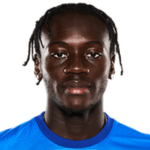 Emmanuel LongeloEngland
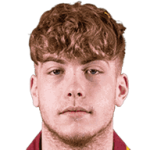 Ewan WilsonScotland
- Jake Girdwood-ReichAustralia
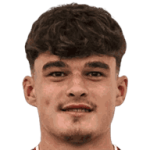 Jamie Knight-LebelCanada
 John KoutroumbisAustralia
 Jordan McGheeScotland
- Martin MoormannAustria
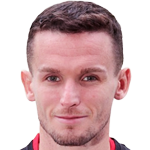 Paul McGinnScotland
MF
 Alex LowryScotland
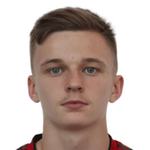 Dylan LevittWales
 Jardell KangaSweden
 Joe HodgeRepublic of Ireland
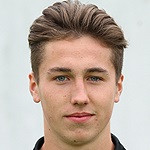 Lukas FadingerAustria
- Mikey BoothScotland
- Oscar PriestmanAustralia
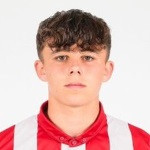 Tom SparrowWales
FW
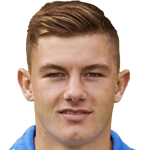 Callum HendryScotland
- Eythor BjørgolfssonNorway
 Ibrahim SaidNigeria
 Regan Charles-CookEngland
- S. Palmer-HouldenEngland
 Tawanda Jethro MaswanhiseZimbabwe
- Willy VogtSwitzerland
Squad from the data feed, African players highlighted. Updated with every capture.
In depth
About Motherwell
Key takeaways
- Motherwell FC are a Scottish football club from North Lanarkshire, founded on 17 May 1886 and nicknamed the Steelmen or the Well.
- Alfred Johansson, formerly of Rosenborg, was appointed Motherwell manager on 18 June 2026 and is the club's 31st manager.
- Motherwell have played at Fir Park since 1896, and the all seated ground has a listed capacity of 13,677.
- Motherwell were Scottish champions in 1931-32, won the Scottish Cup in 1951-52 and 1990-91, and won the League Cup in 1950-51.
- Motherwell have been owned by their supporters through the Well Society since 28 October 2016.
Motherwell FC are a Scottish football club from the town of Motherwell in North Lanarkshire, founded on 17 May 1886 and nicknamed the Steelmen, or simply the Well. They have played at Fir Park since 1896, wear claret and amber, and were champions of Scotland in 1931-32, with the Scottish Cup won in 1951-52 and 1990-91 and the League Cup in 1950-51. South Africans following soccer can recognise Motherwell by their claret and amber colours, with the Steelmen name identifying the club from its namesake town.
Below are the answers most readers want on a phone: who the coach is, when the club was founded, where they play, how to read the Motherwell squad and news, what they have won and when the matches kick off in WAT, EAT, SAST and GMT. If the Premier League is the busy Saturday market at Balogun, Scottish football is the street shop where everyone knows the owner. At Motherwell, the owners are the supporters themselves, and that story alone is worth a few minutes of your time.
Who Are Motherwell FC, the Steelmen of North Lanarkshire?
Motherwell are a professional club from North Lanarkshire, and the Steelmen nickname points to the industrial town that raised them. They turned professional in 1893, seven years after the founding, and within four decades they were champions of Scotland. Supporters shorten the name to the Well, and you will hear both nicknames on Scottish commentary. Their major honours stretch from the league championship in 1931-32 to the Scottish Cup in 1990-91, with two cup successes during the early 1950s. Those trophy years give newcomers a starting point for understanding the club's history.
| Fact | Detail |
|---|---|
| Founded | 17 May 1886, from a merger of Glencairn and Alpha |
| Ground | Fir Park, home since 1896, all seated, listed capacity 13,677 |
| Colours | Claret and amber, since 1913 |
| Nicknames | The Steelmen, The Well |
| Ownership | Fan owned through the Well Society since 28 October 2016 |
| League title | 1931-32 |
| Scottish Cup | 1951-52, 1990-91 |
| Scottish League Cup | 1950-51 |
| Main rivals | Hamilton Academical and Airdrieonians (the Lanarkshire derby) |
Who Is the Coach of Motherwell?
Alfred Johansson, who previously worked at Rosenborg in Norway, was appointed Motherwell manager on 18 June 2026, and he is the 31st man to hold the job. He replaced Jens Berthel Askou. In Nigeria and Kenya the question is usually asked as who is the coach, and the squad module at the top shows the current head coach, so check it first if you are reading this a season or two on. Johansson's appointment followed the Well Society's supporter takeover on 28 October 2016, a separate milestone in the club's history.
When Was Motherwell Founded?
Motherwell were founded on 17 May 1886, when two local works teams, Glencairn and Alpha, merged into one club. The colours came later, because the side played in blue at first and only adopted claret and amber in 1913. Nigerian football knows this kind of beginning well, since several of our older clubs grew out of workplaces and corporations before they became the pride of a whole town. The merger gave the town a shared football identity, while the Well Society brought supporter ownership more than a century later.
Where Do Motherwell Play? Fir Park Explained
Motherwell play at Fir Park in the town of Motherwell, their home since 1896, after an earlier spell at Dalziel Park. The ground is all seated with a listed capacity of 13,677, which makes it a close, intimate place where the noise stays near the pitch. The record attendance tells a different story about the old days, with 35,632 people packed in for a Scottish Cup quarter final replay against Rangers on 12 March 1952, more than two and a half times the present capacity. Picture a Lagos viewing centre on a derby night, then imagine the doors never closing, and you have some sense of that day.
How Is the Motherwell Squad Set Out, and Who Are the Players?
Motherwell's squad module groups senior players according to their roles, with separate entries for each name, nationality, age and shirt number. Confirmed arrivals and departures change those entries, making the module the place to check who represents the club this season. Readers following an African international can begin with his nationality, then open his player entry for further details. Coaching information appears alongside the playing staff, helping supporters in Lagos and Nairobi identify who leads the team.
The useful question for readers following Motherwell is which African players belong to the squad. Uganda international Bevis Mugabi provides a specific connection: the defender joined Motherwell in 2019 and remained until 2024. His spell at Fir Park gives Ugandan readers a lasting link to the club, while the nationality entries identify any African internationals representing Motherwell this season.
Where Is the Latest Motherwell News and Transfer Talk?
The Motherwell news module gathers match reports, team announcements, transfers and statements from the manager, and it refreshes through the day with the newest story first. That is where to look for anything that changes from week to week, such as a signing, a new contract or a team selection. As with any club, a rumour on social media is not confirmed until the club itself says so, so read the headline, then check whether Motherwell have made an announcement. Readers searching Motherwell news from Kenya, Ghana or Uganda will find the module covers the same ground in one place.
Transfer coverage gives readers in Nigeria, Kenya, South Africa, Ghana and Uganda a way to follow African players joining or leaving Motherwell. A confirmed report should distinguish a permanent transfer from a loan and explain when the move takes effect. Read the announcement alongside the squad entry to understand how the player fits into the team. The practical tip is simple: turn on alerts for Motherwell in your scores app, and let the news module fill in the detail.
What Have Motherwell Won?
Motherwell have won the Scottish league once, in 1931-32, the Scottish Cup twice, in 1951-52 and 1990-91, and the Scottish League Cup once, in 1950-51. The league title is the jewel, and it came with a record for the books, because Willie MacFadyen scored 52 league goals that season, a single season record for the club and for Scottish football. To put that in Premier League terms, it is the kind of tally that would make a modern striker a legend after a single year, and it is the first number any Motherwell supporter will quote to you.
The early 1950s were the club's other golden spell, with the League Cup in 1950-51 followed by the Scottish Cup in 1951-52. The Scottish Cup quarter final replay against Rangers at Fir Park on 12 March 1952 drew 35,632 spectators, setting the ground's attendance record. That tie belonged to the run that brought the cup to Motherwell, and perhaps it explains why those years are spoken of the way Lagos fans of a certain age speak of 1994 and the Super Eagles.
The second Scottish Cup arrived in 1990-91, almost four decades after the first. The individual records belong to two great servants, with Hughie Ferguson the club's record league scorer on 284 goals and Bob Ferrier the appearance record holder on 626. In Europe, the record win is 8-1 against Flamurtari in 2009, and Steven Hammell holds the club mark for European appearances with 19. The records module carries the full list, and it is worth a scroll before any big cup tie, because the history gives the occasion its weight.
Claret, Amber and the Well Society: Who Owns Motherwell?
Motherwell have worn claret and amber since 1913 and have been owned by their fans since 28 October 2016, when the Well Society supporters' group completed a £1 takeover from Les Hutchison. That model speaks to an argument we have across Africa about who should hold a football club. Supporters' trusts across Africa ask the same question Motherwell answered in 2016: who keeps a club in trust for its town? The Well Society offers African supporters' trusts a concrete example of members taking ownership of a top division club.
Which Motherwell Games Matter Most, and What Time Do They Kick Off in Africa?
Motherwell play in the Scottish Professional Football League, whose top division is the Scottish Premiership, and for readers raised on the EPL the big difference is the split. Late in the season the league table (or log, as many of us say) divides into a top half and a bottom half, and the clubs play out the campaign within their half. The Scottish Cup is the old knockout competition, much like the FA Cup, and the League Cup is the second cup. The games that carry the most feeling are the Lanarkshire derbies against Hamilton Academical and Airdrieonians, alongside any visit from the Glasgow giants.
A Fir Park afternoon reaches African supporters at different hours depending on whether Scotland's clocks follow GMT or British summer time. Under GMT, Motherwell's 15:00 home kick off has these equivalents: WAT 16:00, EAT 18:00, SAST 17:00 and GMT 15:00. During British summer time, a 15:00 Fir Park fixture corresponds to WAT 15:00, EAT 17:00, SAST 16:00 and GMT 14:00. Nigerian supporters use WAT; Kenyan and Ugandan viewers follow EAT; South African audiences use SAST; Ghanaian viewers follow GMT. Compare the fixture module's time zone label with the broadcaster's listing to plan your Motherwell viewing. Bookmark Motherwell fixtures for Lanarkshire derby scheduling, with alerts and highlights helping distant Steelmen supporters follow the action around daily commitments.
FAQ
Who is the coach of Motherwell?
Alfred Johansson, formerly of Rosenborg, was appointed Motherwell manager on 18 June 2026, replacing Jens Berthel Askou. He is the club's 31st manager. The squad module shows the current head coach if the job has changed since then.
When was Motherwell founded?
Motherwell were founded on 17 May 1886, when two local works teams, Glencairn and Alpha, merged. The club turned professional in 1893 and adopted its claret and amber colours in 1913.
Where do Motherwell play?
Motherwell play at Fir Park in Motherwell, North Lanarkshire, their home since 1896. The ground is all seated with a listed capacity of 13,677. Its record attendance is 35,632, for a Scottish Cup quarter final replay against Rangers on 12 March 1952.
Which African players have played for Motherwell?
Uganda international defender Bevis Mugabi played for Motherwell from 2019 to 2024. For African players representing the club this season, check the squad module's nationality entries.
Who owns Motherwell?
Supporters took ownership of Motherwell through the Well Society on 28 October 2016, when the group completed a £1 takeover from Les Hutchison.
Written by Tunde Akinwande, 2026-11-12.